
What is IT Programming?

IT programming (also called computer programming or just coding) is the way people tell computers exactly what to do, step by step, so they can perform tasks, solve problems, or create useful things like apps, websites, games, or business tools. Imagine you’re giving super-clear directions to a very literal friend who follows instructions perfectly but has no common sense: You say: “If it’s raining, grab an umbrella before going outside.”

The computer needs every tiny detail: Check the weather → If rain = yes → Open closet → Pick umbrella → Close closet → Go outside.

Programming turns those detailed instructions into code—a special language the computer understands—so it can do things automatically, quickly, and without mistakes (as long as the instructions are correct!).

Common Terms You Might Hear:

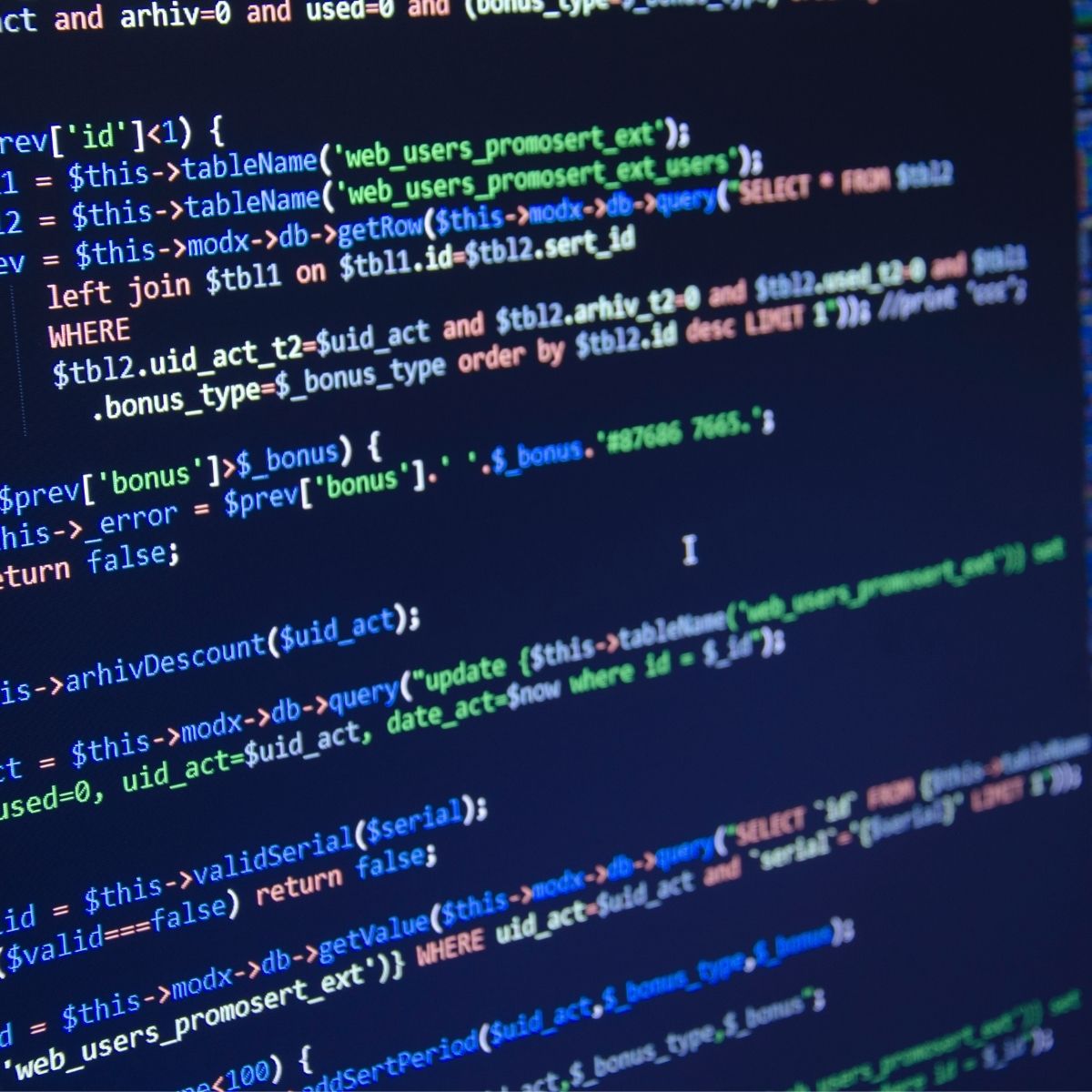
  • Code — The actual written instructions (looks like text with symbols, words, and numbers).
  • Program / Software / App — The finished product made from code.
  • Bug — A mistake in the code that causes wrong results (programmers “debug” to fix them).
  • Algorithm — A clear, step-by-step plan to solve a problem (like a recipe for sorting a list).
  • Coding vs. Programming — Often used the same way, but coding is more about writing the code, while programming includes planning, designing, and testing too.

WHAT ARE THE PRACTICAL APPLICATIONS?

Almost everything digital runs on programs:

  • Your phone apps (banking, social media, maps)
  • Websites you visit
  • Video games and streaming services
  • Office tools (email, spreadsheets, accounting software)
  • Smart home devices, cars, medical equipment, and more

For businesses, programming powers custom tools that save time, reduce errors, handle customer data securely, automate boring tasks, and help grow the company. Without programmers, modern tech wouldn’t exist!


HOW DOES IT WORK?

Programmers use programming languages—like human languages but designed for computers. Popular easy ones for beginners include Python, JavaScript, or Scratch (visual blocks).

Key building blocks explained simply:

  • Instructions / Commands — Basic actions like “show this message,” “add these numbers,” or “open this file.”
  • Variables — Named storage boxes for holding information (e.g., “age = 35” or “username = ‘Alex'”).
  • Decisions (If/Then) — “If the password is correct, let them in; otherwise, show an error.”
  • Loops (Repeating) — “Keep asking for the password until it’s right” or “Do this 10 times.”
  • Functions — Reusable mini-programs (e.g., a “calculate total” function you can use anytime).
  • Input & Output — Getting info from the user (keyboard, mouse, files) and showing results (screen, printer, saving data).

Think of it like writing a recipe: Ingredients (data) + steps (code) = delicious cake (working program).

HOW WE CAN HELP YOU

IT programming is like teaching a super-fast but clueless robot to follow exact instructions — by breaking big tasks into tiny, logical steps written in code. It’s creative problem-solving that powers almost everything in our digital world. You don’t need to be a genius to get started. Many people learn it as a hobby or valuable career skill, and simple tools let beginners quickly build games, websites, and apps. For businesses, strong programming means smoother operations, happier customers, and a real competitive edge. We help companies build, maintain, and improve the custom software that keeps their business running efficiently — without the usual tech headaches. Let us know if you’d like examples of what custom programming can do for your business!